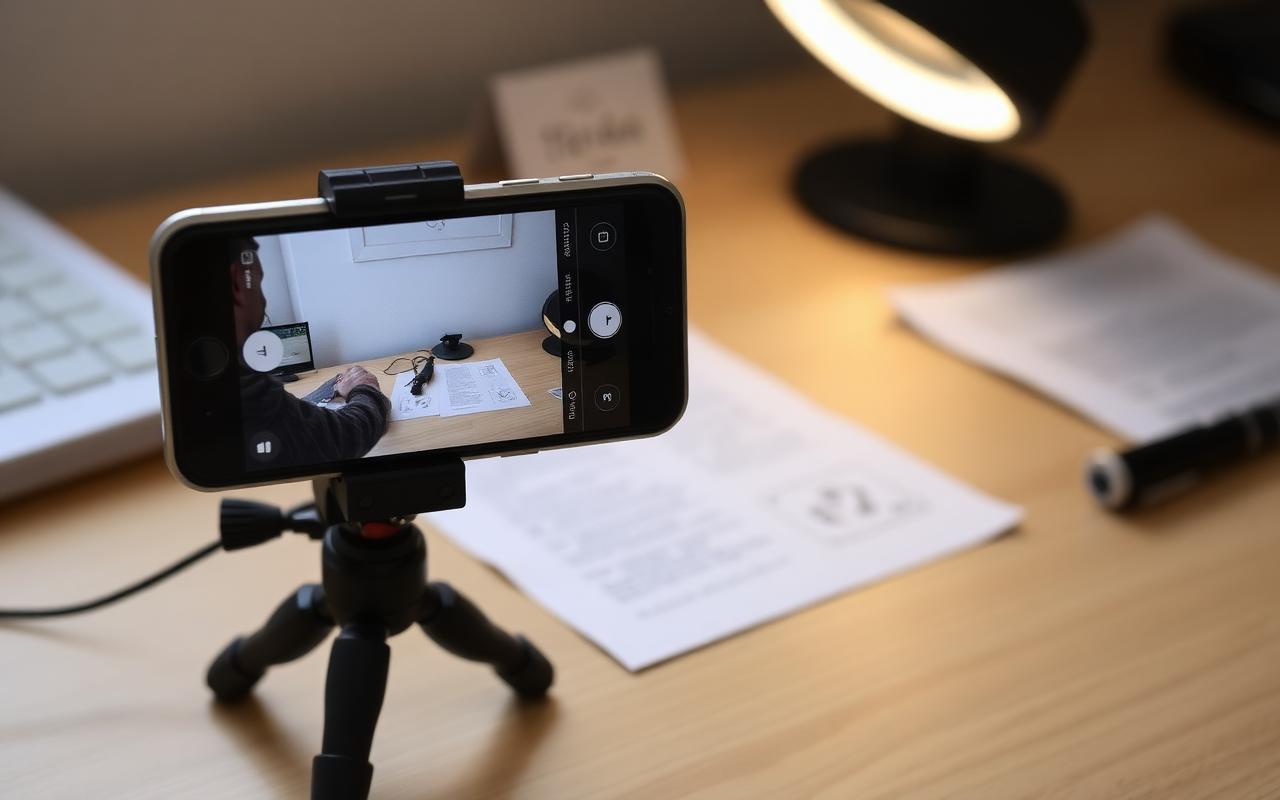
The Lo-Fi Hangover: Why Scripted UGC Is Torching UK Paid Social Efficiency
For years, agency dogma insisted your ads should look like a shaky iPhone video filmed in a bedroom. In late 2026, audience cynicism and feed saturation mean cheap UGC is driving your CPAs through the roof.

For the better part of five years, the undisputed gospel of paid social was simple: make it look like a mate shot it on an iPhone 11 in a messy flat. Don't touch professional lighting. Avoid tripods. Ban colour grading. Hire a freelance creator from a marketplace, hand them a loose script starting with "I was genuinely terrified this wouldn't work, but...", and let Meta's Advantage+ campaign structure do the heavy lifting.
It worked brilliantly—until everyone did it. By late 2026, the algorithmic feed has become a sludge of indistinguishable, ring-lit monologues, synthetic voiceovers, and faux-candid unboxings. What used to feel authentic now reeks of cheap evasion. Worse, it is quietly gutting the performance of UK growth brands.
The Ring-Light Wasteland
Consumers have developed an instinctive, sub-second immunity to manufactured creator content. When every second video on Reels and TikTok features someone violently tapping their fingernails against plastic packaging or grimacing theatrically at a mirror, the 'native' aesthetic loses its native camouflage. It simply registers as desperate.
Across thirty-two accounts we audited over the past quarter, traditional creator-style UGC saw blended hook rates drop by an average of 34% year-on-year, while cost per acquisition spiked by 41%. The dirty secret of the creator boom is that audiences now trust polished brand communication more than transparently purchased peer reviews.
The Feed Prizes Contrast, Not Conformity
The fundamental flaw in modern creative strategy is mistaking conformity for effectiveness. When the organic feed was dominated by polished corporate posts in 2019, scrappy UGC provided visual contrast. It stopped the thumb because it looked raw. Today, the organic feed is entirely raw, chaotic, and amateurish. Conformity now means blending into background noise.
The ads delivering outlier ROAS right now are doing the exact opposite of the 2022 playbook: they are deliberately, unapologetically cinematic. Contrast creates the pause. When a viewer scrolling through grainy vertical clips suddenly hits rich depth-of-field, intentional sound design, and clean art direction, the visual shock halts their thumb far more effectively than another screaming 21-year-old waving a parcel.
The Brand Equity and LTV Penalty
Beyond immediate conversion mechanics, low-rent creative incurs a hidden balance-sheet cost that attribution dashboards fail to flag until months later: customer quality.
- Discount-driven impulse clicks: Shaky creator clips routinely appeal to bargain hunters primed for gimmicks, leading to lower day-zero baskets and brutal refund rates.
- Repositioning drag: Premium UK brands selling £120 knitwear or £80 serums cannot build pricing power when their primary customer touchpoint looks like a knock-off drop-shipping storefront.
- Post-purchase churn: First-party cohort data shows customers acquired through high-craft, concept-led creative exhibit an 18% higher 90-day repeat purchase rate compared to those acquired through discount-hook UGC.
How to Build Crafted Video Without a Soho Studio Budget
Swapping cheap UGC for high-performing creative doesn't mean remortgaging your headquarters to fund a £70,000 commercial production with a 40-person crew in Shoreditch. It simply requires respecting production value as a conversion variable. You can engineer punchy, high-spec assets in-house with four deliberate adjustments:
- Invest in sound design over shouting: Muffled microphone audio is the quickest sign of a cheap ad. Crisp Foley effects, bespoke soundbeds, and punchy mixing routinely lift three-second hold rates by double digits on sound-on platforms.
- Use directional lighting, not a flat ring-light: Shadows create depth and prestige. Even a single diffused key light and rim light immediately separates your product from kitchen-table competition.
- Ditch the jump-cut frenzy: Manic, quarter-second editing was designed to trick shortening attention spans, but it breeds disorientation. Smooth, intentional pacing with crisp typography signals confidence and clarity.
- Put the product in focus, not the influencer: Your product should be the hero, not the actor's rehearsed expressions. Macro shots of textures, ingredients, and precise mechanics communicate value faster than any scripted testimonial.
Retire the Template Before It Retires Your Margins
If your creative calendar for next month is still packed with briefs telling creators to look surprised while opening a cardboard box, you are subsidising your competitors' growth. The lo-fi era democratised video production, but it also democratised mediocrity.
UK consumers are weary of synthetic authenticity. Stop apologising for being a commercial enterprise and start making ads that look proud of what they are selling. Craft is no longer an indulgence for luxury heritage houses—it is the sharpest arbitrage left in paid acquisition.
Need help with content marketing?
We turn the thinking in this article into measurable growth for UK brands.
Explore Content Marketing →